Choosing the right backpack for your travels can make all the difference in your journey. A well-selected backpack not only enhances your comfort but also ensures that you have everything you need at your fingertips. With countless options available, it can be overwhelming to find the perfect fit. This guide will walk you through the essential factors to consider when selecting a travel backpack that suits your needs.
Understand Your Travel Style
Your travel style significantly influences the type of backpack you should choose. Are you a weekend warrior, a long-term traveler, or an adventure seeker? For short trips, a smaller daypack may suffice, while longer journeys may require a larger, more robust backpack. Understanding how you travel will help narrow down your options and ensure that your backpack meets your specific needs.
Additionally, consider the activities you plan to engage in during your travels. If you’re hiking, look for a backpack with features like hydration reservoirs and external gear loops. For city exploration, a sleek, urban design might be more appropriate. Tailoring your backpack choice to your travel style will enhance your overall experience.
Determine the Right Size
Backpacks come in various sizes, typically measured in liters. A general rule of thumb is to choose a backpack that can hold enough gear without being overly bulky. For weekend trips, a 40-50 liter backpack is often ideal, while longer trips may require 60 liters or more. However, it’s essential to balance size with weight; a larger backpack can become cumbersome if it’s too heavy.
When selecting the size, consider the length of your trip and the type of gear you’ll be carrying. If you plan to pack light, a smaller backpack may be sufficient. Conversely, if you need to carry bulky items like camping gear, opt for a larger size. Always try on the backpack with weight to ensure it feels comfortable and manageable.
Evaluate the Features
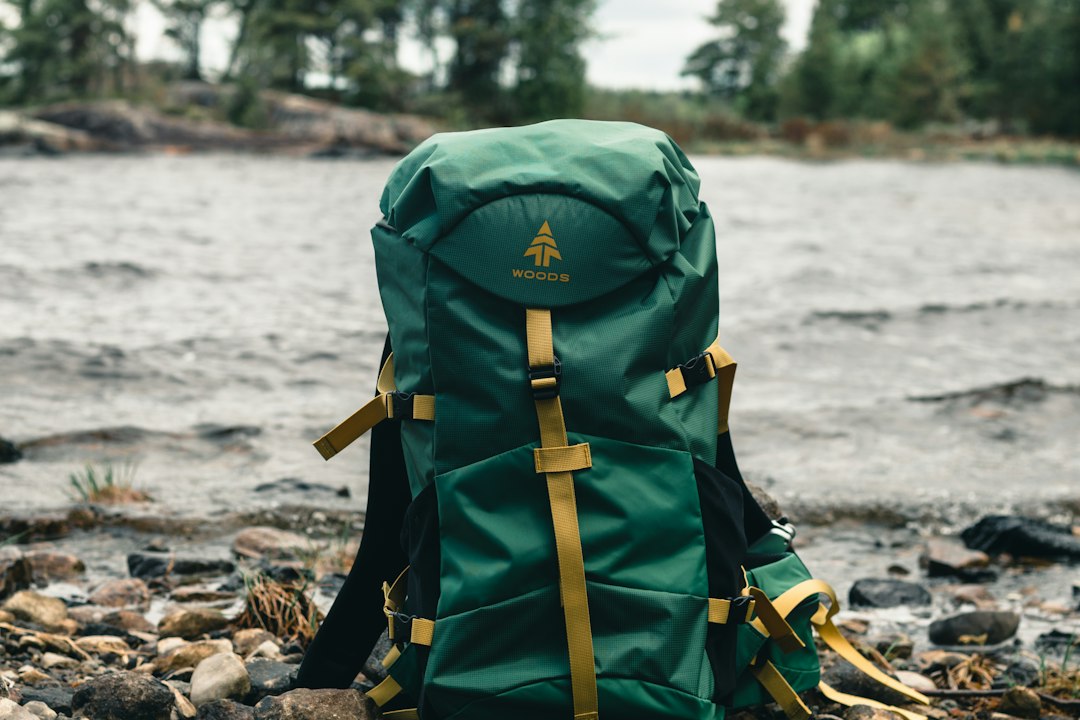
Backpacks come equipped with various features that can enhance functionality and comfort. Look for padded shoulder straps, a hip belt, and a back panel that provides ventilation. These features can significantly improve comfort, especially during long hikes or city walks. Additionally, consider pockets and compartments; a well-organized backpack allows for easy access to your essentials.
Water resistance is another crucial feature to consider. If you anticipate rain or wet conditions, a backpack with a water-resistant coating or a rain cover will protect your belongings. Other features to look for include adjustable straps, compression straps, and attachment points for gear. Assessing these features will help you find a backpack that meets your practical needs.
Test for Comfort and Fit
Comfort is paramount when choosing a travel backpack. A poorly fitting backpack can lead to discomfort and fatigue, detracting from your travel experience. When trying on a backpack, adjust the straps and hip belt to ensure a snug fit. The weight should rest on your hips rather than your shoulders to prevent strain.
Walk around with the backpack for a few minutes to gauge comfort. Pay attention to pressure points and ensure that the backpack doesn’t shift excessively while moving. If possible, load the backpack with weight similar to what you’ll carry during your travels. This test will give you a better sense of how it will feel on your journey.
Step-by-step plan:
Step 1: Assess your travel style and determine the activities you’ll engage in. Step 2: Choose the appropriate size based on the length of your trip and gear requirements. Step 3: Evaluate essential features that enhance comfort and functionality. Step 4: Test the backpack for fit and comfort before making a purchase.